

Your email list can be the most powerful business asset.
But only if it’s accurate.
In this blog, I’ll show you 7 methods to build a professional email list you can actually use to reach potential leads and grow your business.
Let’s get started!
7 Proven Ways to Build a Professional Mailing List – TOC
- TL;DR: 7 Proven Ways to Build a Professional Mailing List
- Why Most Professional Mailing Lists Fail
- 7 Proven Ways to Build a Professional Mailing List
- What Should You Include in Your Professional Mailing List?
- 3 Data Compliance Checklist While Building a Professional Mailing List
- Start Building Your Professional Mailing List Today
- FAQs
TL;DR: 7 Proven Ways to Build a Professional Mailing List
Short on time? Here’s the quick version:
- Use a B2B Email Database Provider: Access verified emails of professionals across job titles, industries, company sizes, and locations.
- Offer a Lead Magnet: Give professionals a compelling reason to share their email in exchange for valuable content or resources.
- Place Signup Forms Strategically: Make it easy for website visitors to join your list from high-traffic pages and key conversion points.
- Create Landing Pages That Convert: Use dedicated pages with a single offer and clear CTA to maximize email signups.
- Encourage a Referral Program: Turn existing subscribers into advocates who help grow your mailing list organically.
- Use Targeted Exit Popups: Capture visitors before they leave by presenting relevant offers at the right moment.
- Deploy a Chatbot for Interactive Signups: Collect email addresses through real-time conversations that engage visitors and qualify leads.
7 Proven Ways to Build a Professional Mailing List (Explained in Detail with Screenshots)
I’ve used these methods across different list-building campaigns, and each serves a specific purpose.
Some help you build a mailing list quickly with verified contacts, while others focus on attracting subscribers organically over time.
The best approach usually combines multiple methods, depending on your goals, audience, and growth timeline.
1. Use a B2B Email Database Provider (Fast and Accurate Method)
If you need a professional mailing list fast, this is where I’d start.
A B2B email database provider like Saleshandy gives you real-time access to verified professional contacts.
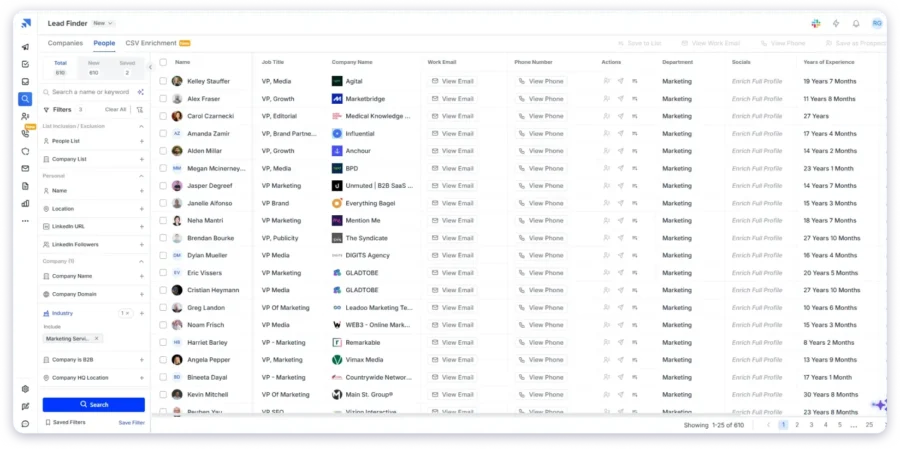
Instead of hunting for emails manually or buying outdated lists, you can search, filter, and download verified contacts in minutes.
You can narrow your audience by industry, job title, company size, location, revenue, and more, ensuring your list matches the people you actually want to reach.
Why I recommend choosing Saleshandy to find emails of professionals :
- Access 852M+ professional contacts from companies worldwide.
- Verify emails in real time and give 92%+ deliverable emails.
- Find the right prospects using 75+ targeting filters like job title, industry, company size, location, revenue, and more.
- Credits are only charged for verified emails.
- Build large lists quickly with bulk prospecting tools.
- AI search lets you find leads with simple prompts.
The platform automatically identifies matching prospects and returns a verified list.
For businesses looking to build a professional mailing list at scale, a B2B database provider is often the fastest way from zero contacts to a highly targeted audience.
2. Offer a Lead Magnet
One of the easiest ways to grow a professional mailing list is to offer something valuable in exchange for an email address. This is known as a lead magnet.
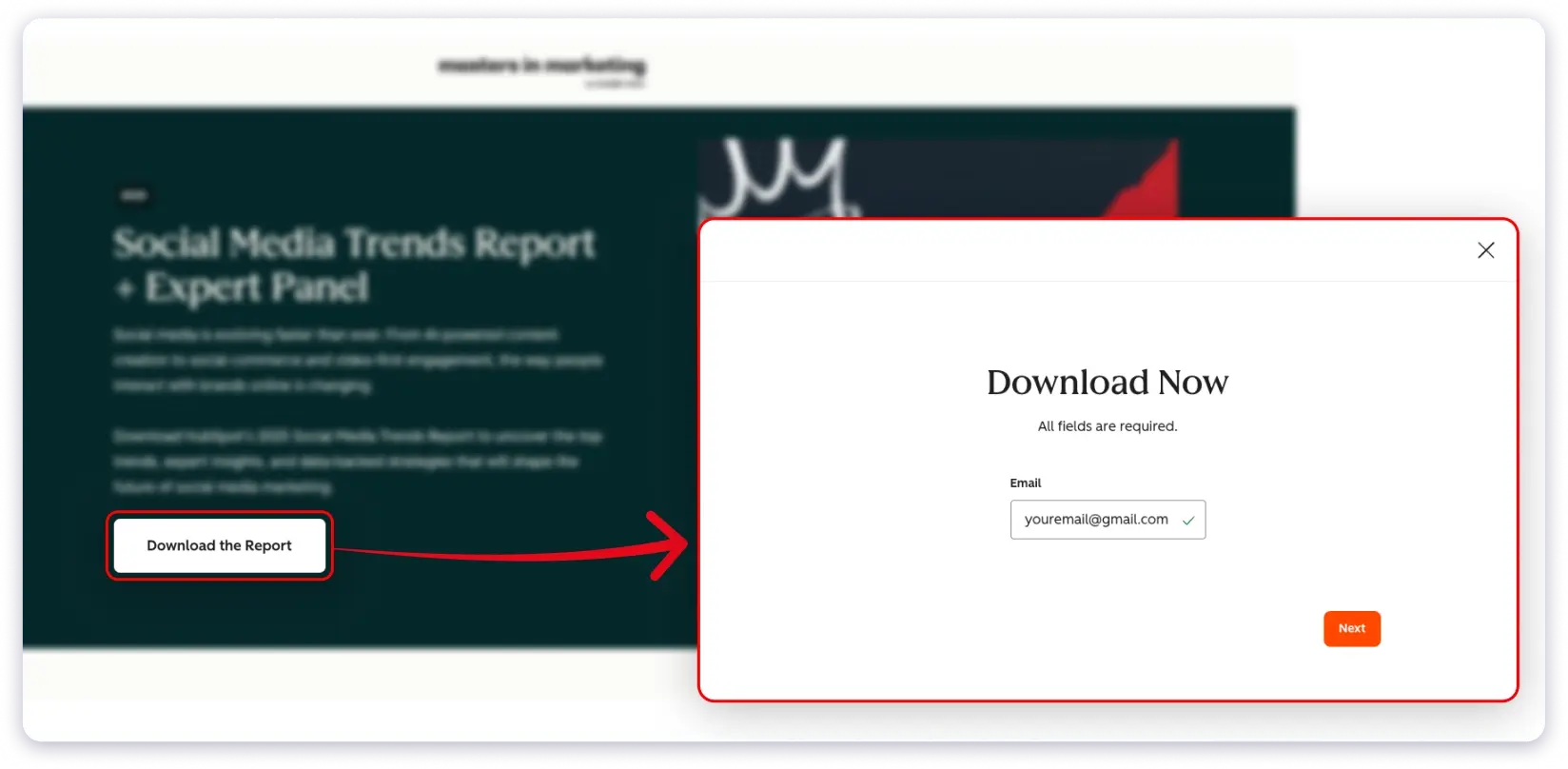
A lead magnet can be an ebook, template, checklist, report, case study, or any resource that helps your target audience solve a specific problem.
The key is relevance.
Many businesses create content they think people want. The best-performing lead magnets are based on what the audience actually needs.
For example:
- B2B agencies can provide libraries of cold email templates.
- SaaS companies often perform well with ROI calculators or industry reports.
- Recruiting firms can attract signups with role-specific salary guides.
The more practical and specific the resource, the more likely people are to sign up.
Once your lead magnet is ready, promote it across your website, blog, social media profiles, and other marketing channels. Keep the signup form simple and ask only for essential information.
A good lead magnet does more than grow your email list. It helps you attract people who are genuinely interested in what you offer.
3. Place Signup Forms Strategically
Your website should be one of the first places you focus on when building a professional mailing list. Every visitor is a potential subscriber, customer, or lead.
Instead of hiding signup forms in the footer, place them where people are already paying attention.
Your homepage, blog posts, resource pages, and even checkout pages are all great locations.
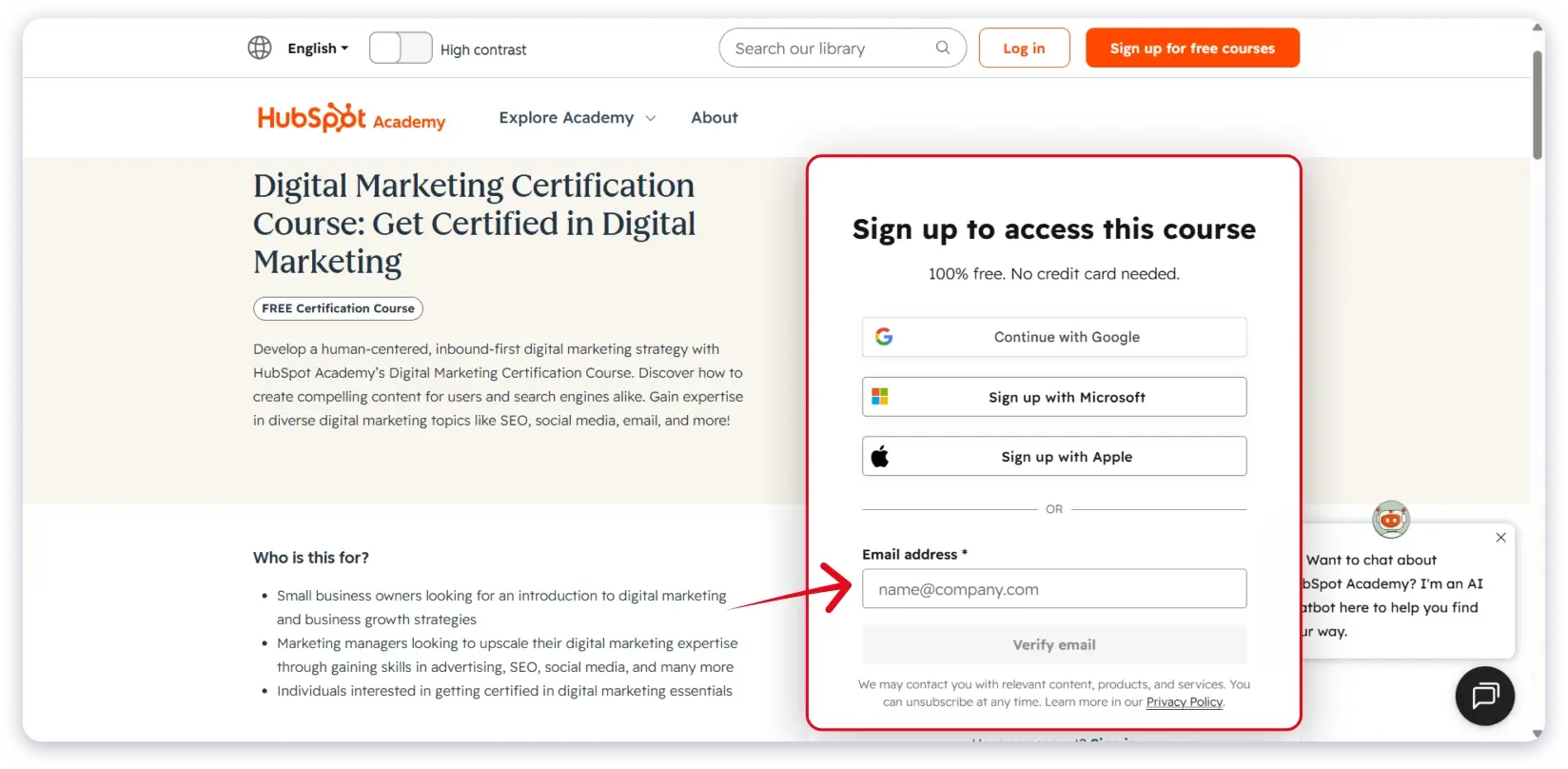
You can also use popups or slide-in forms that appear while visitors are actively browsing your site. When timed correctly, they can significantly increase signup rates.
To encourage more subscriptions, offer something valuable in return. This could be a discount, exclusive content, a free resource, or member-only access.
When people get a clear benefit from joining your list, they’re much more likely to share their email address.
4. Create Landing Pages That Convert
A landing page is a standalone page designed for one purpose: getting visitors to join your email list.
Unlike a homepage, a landing page removes distractions. Visitors see a single offer and a clear call to action, making it easier for them to subscribe.
This works particularly well when you’re driving traffic from specific sources.
For example, if you’re promoting a lead magnet, running ads, appearing on a podcast, or speaking at an event, you can send people directly to a landing page built around that offer.
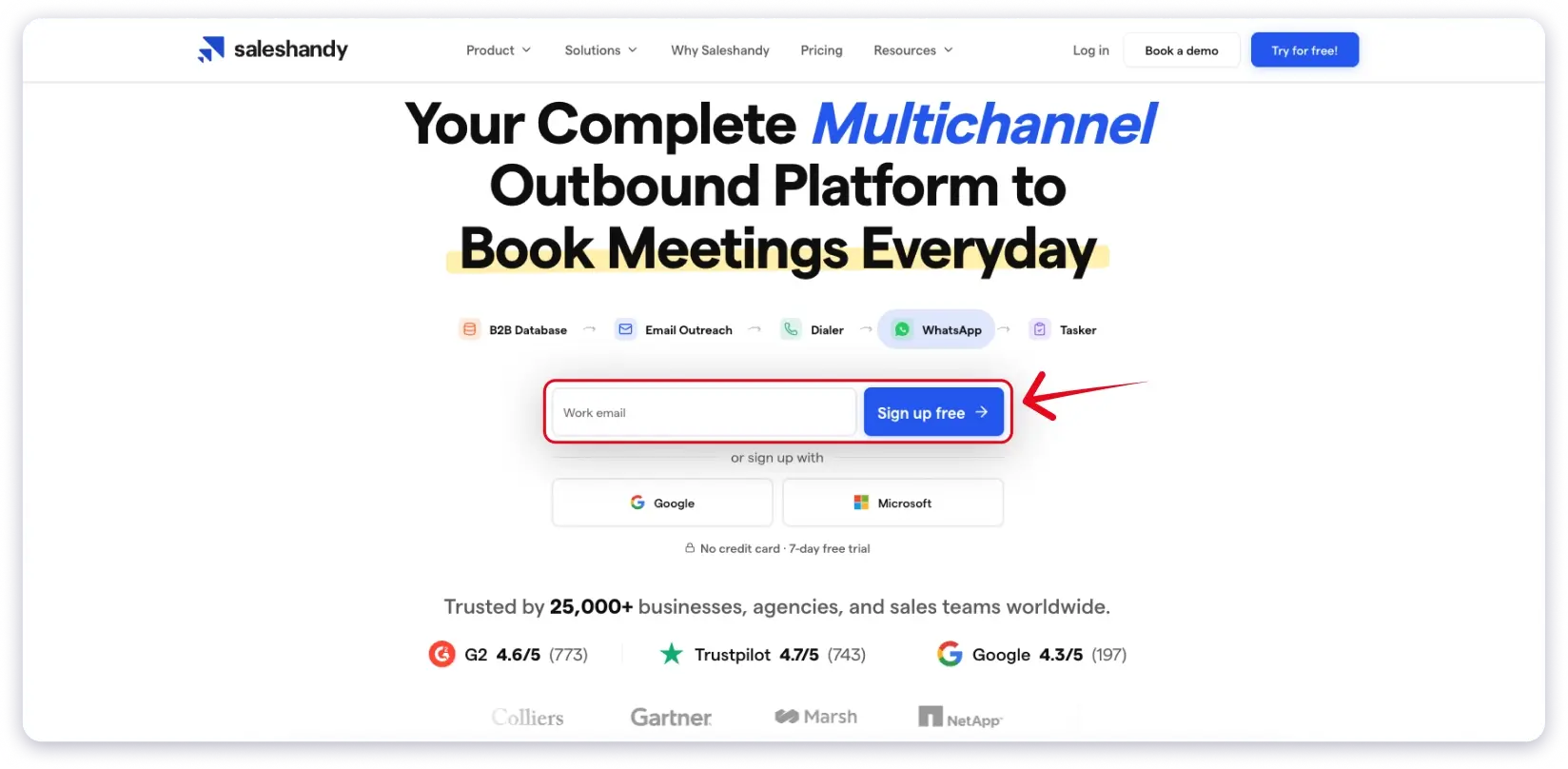
A dedicated landing page also gives you more control over the message.
Instead of asking visitors to browse your website, you can clearly explain the value of subscribing and guide them toward a single action.
To improve conversions, keep the page simple:
- Write a clear, benefit-focused headline.
- Explain what subscribers will get.
- Add testimonials or social proof if available.
- Use a short signup form with minimal fields.
The fewer distractions on the page, the more likely visitors are to subscribe.
5. Encourage Referrals From Existing Subscribers
One of the simplest ways to grow your mailing list is through the subscribers you already have.
If people regularly open your emails and find value in your content, they likely know others who would benefit from it too. A referral program gives them a reason to share it.
Offer something valuable in return, such as exclusive content, bonus resources, early access, or member-only perks.
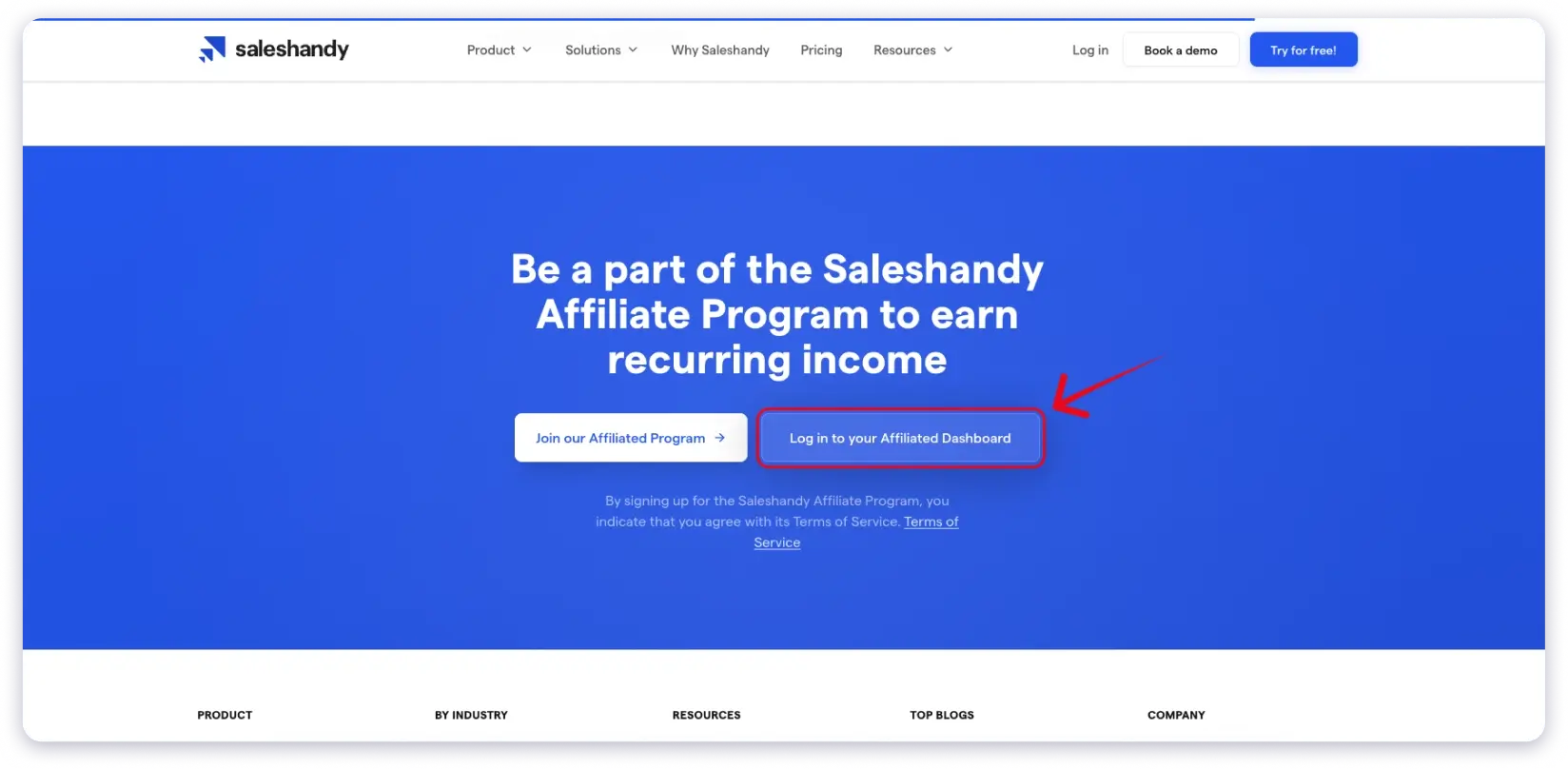
When both the referrer and the new subscriber receive a benefit, people are more likely to participate.
Make the process as easy as possible. Give subscribers a referral link they can share, a pre-written message they can forward, or social sharing options that require just a click.
What makes referrals so effective is the trust behind them. People are far more likely to join a mailing list when it is recommended by someone they know.
As a result, referral subscribers often engage more, open more emails, and stay subscribed for longer.
6. Add Targeted Exit Popups to Your Site
Most people won’t join your email list on their first visit.
They’ll read a blog post, browse a few pages, and leave. In many cases, they never come back.
Exit-intent popups give you one last chance to capture their attention before they go.
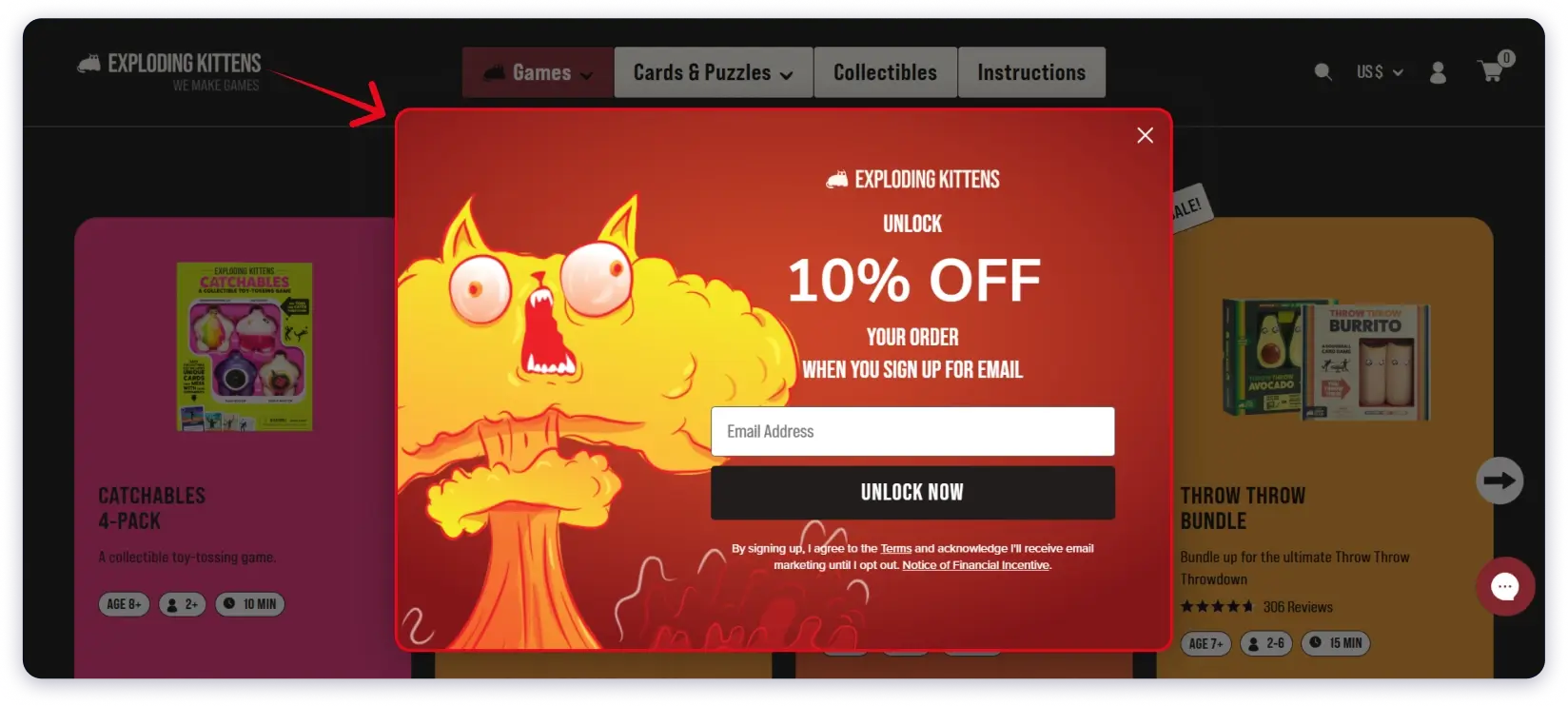
These pop-ups appear when a visitor shows signs of leaving your site and present a relevant offer in exchange for their email address.
The offer matters.
A generic “Subscribe to our newsletter” message is easy to ignore. A useful checklist, free guide, template, or exclusive resource related to the page they’re viewing is much more effective.
For example, if someone is reading a blog post about email marketing, offer them an email marketing checklist or template.
If they’re on a product page, consider offering a discount or bonus resource.
Keep the form simple and ask for as little information as possible. The goal is to make signing up quick and effortless.
When used correctly, exit-intent popups can help you convert visitors who would have otherwise left your site without taking any action.
7. Use a Chatbot to Make Signups More Interactive
Not everyone wants to fill out a form. Some visitors would rather ask a question, get a quick answer, and move on.
A chatbot lets you capture those people. Instead of a static signup form, it starts a conversation and collects contact information naturally as part of the exchange.
A visitor lands on your site, the chatbot asks what they are looking for, recommends a relevant resource based on their answer, and then asks for their email to send it over.
That feels like a helpful interaction, not a data grab.
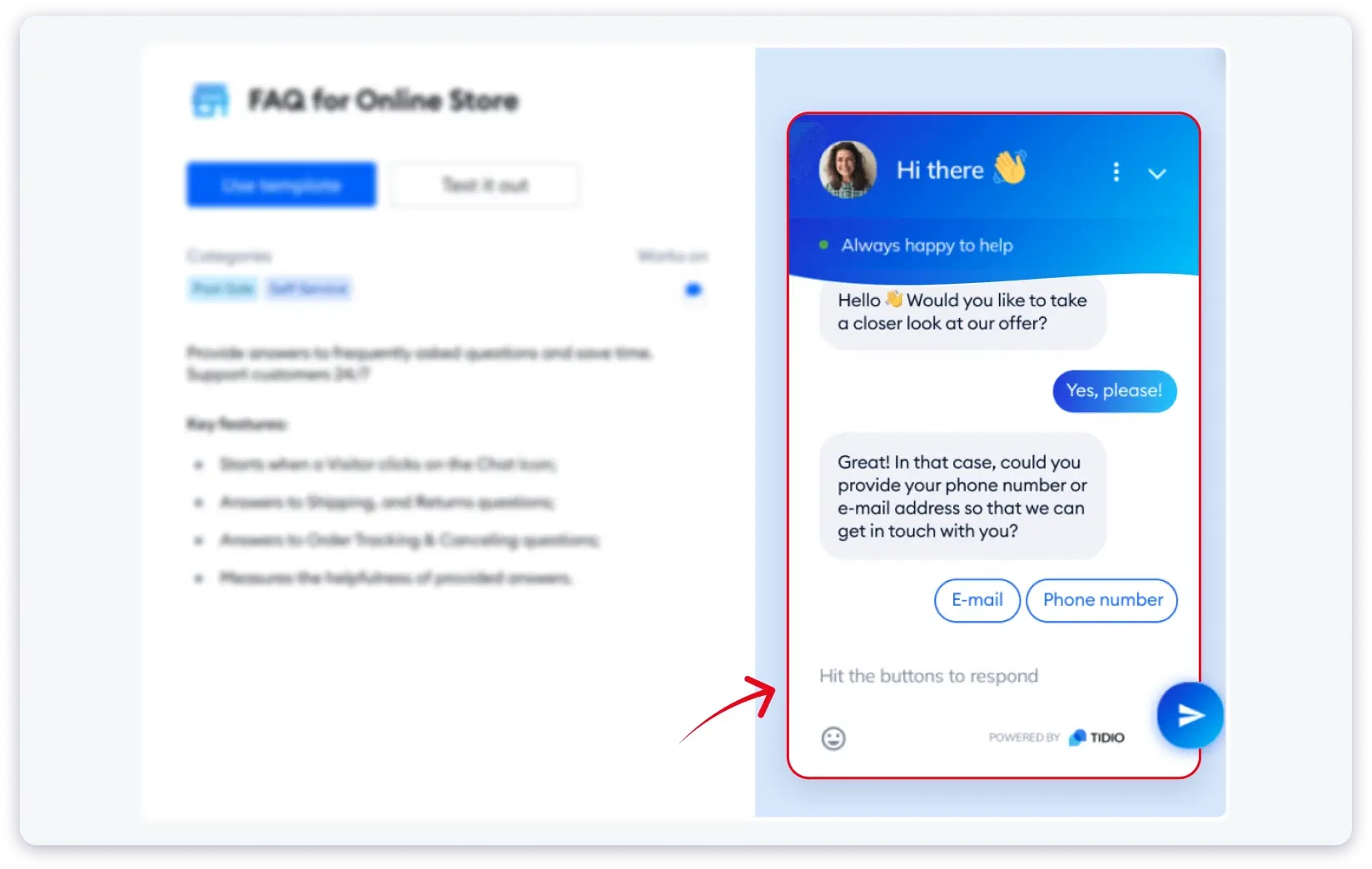
This works especially well on mobile, where form fills are more friction than most people will tolerate. A quick chat is faster and feels more personal.
Contacts captured through chatbot conversations tend to be more qualified, too. They told you what they are interested in and willingly shared their email.
That is a different kind of subscriber than someone who filled out a pop-up just to close it.
Chatbots will not replace your other methods. But they capture people your forms and popups would have missed.
What Should You Include in Your Professional Mailing List?
A professional mailing list is only as useful as the data it contains.
If all you have is a name and an email address, you are working with half the picture.
The more data points you capture per contact, the better you can segment your list, personalize your messaging, and reach the right people with the right offer.
Here’s what a useful professional mailing list should have:
The more targeted and verified your data is, the easier it becomes to run personalized campaigns instead of sending generic emails to a broad list.
3 Data Compliance Checklist While Building a Professional Mailing List
Building a professional mailing list without thinking about compliance is a risk most businesses underestimate.
The rules are not complicated. But ignoring them can cost you your sender reputation, your domain health, and in some cases, real money in fines.
Here is what you need to know based on where your contacts are located.
1. CAN-SPAM (United States)
CAN-SPAM applies to any commercial email sent to recipients in the United States.
- Include a valid physical mailing address in every email.
- Provide a clear and working unsubscribe option.
- Honor unsubscribe requests within 10 business days.
- Do not use misleading subject lines or deceptive “from” names.
- Clearly identify the message as an advertisement if applicable.
CAN-SPAM does not require prior consent for B2B emails. But it does require that you give recipients a way to opt out and that you respect that choice immediately.
2. GDPR (European Union)
GDPR applies when you are emailing anyone located in the EU, regardless of where your business is based.
- You need a lawful basis to contact someone. For B2B, “legitimate interest” is the most commonly used basis.
- You must be transparent about how you collected their data and how you plan to use it.
- Recipients have the right to request deletion of their data at any time.
- You must provide a clear opt-out mechanism in every email.
- Data must be stored securely and only retained as long as necessary.
GDPR is stricter than CAN-SPAM. If a significant portion of your professional mailing list is EU-based, make sure your data collection methods and email practices are aligned with these requirements.
3. CASL (Canada)
CASL is one of the stricter anti-spam laws globally. It applies to commercial emails sent to Canadian recipients.
- You need either express or implied consent before sending.
- Implied consent is allowed for existing business relationships (up to 2 years after a purchase, or 6 months after an inquiry).
- Every email must include sender identification and contact information.
- A clear and functional unsubscribe mechanism is required.
- Consent records should be maintained in case of a complaint.
The bottom line across all three regulations is the same. Always include an unsubscribe option, be honest about who you are, and respect opt-outs immediately.
Compliance is not just about avoiding fines. Email providers track complaint rates. A non-compliant professional mailing list will damage your deliverability long before any regulator comes knocking.
Why Most Professional Mailing Lists Fail
Before we get into the methods, it is worth understanding why most professional mailing lists never deliver results. Because the problem usually starts before the first email is ever sent.
1. The Data Is Already Dead
This is the most common issue we come across. Someone builds a list, or worse, buys one, and the data is already months old by the time they use it.
B2B contact data decays at roughly 30% per year. People change jobs. They get promoted. Companies restructure. The email address that was valid six months ago now bounces.
If your list is built on stale data, you are sending emails to ghosts. And every bounce chips away at your sender reputation, making it harder for your real emails to land in inboxes.
2. No Real Targeting
A list of “marketing professionals in the US” sounds useful. It is not.
Without proper targeting, you end up with a mix of interns, VPs, freelancers, and retired professionals all lumped into one list. The result? Generic messaging that resonates with nobody.
A professional mailing list only works when it is built around specific criteria. Job title. Seniority level. Industry. Company size. Geography. The more precise your targeting, the higher your response rates.
3. Zero Verification
This one quietly kills more campaigns than bad copy or weak subject lines ever will.
Sending emails to addresses that do not exist triggers hard bounces. Too many bounces, and email providers start flagging your domain. Once that happens, even your emails to valid contacts start landing in spam.
Verification is not an optional step. It is the foundation that everything else sits on.
Start Building Your Professional Mailing List Today
Now you have a clear picture of how to build a professional mailing list that actually works. The method you start with depends on what you need right now.
For long-term growth, lead magnets, signup forms, and referral programs will keep your list growing steadily without you chasing every contact.
If you need verified professional contacts fast, a B2B lead finder with real-time verification and 75+ targeting filters can get you there in minutes instead of weeks.
Either way, you now have enough proven methods to stop guessing and start building a professional mailing list that actually drives results.
FAQs
1. What is the best way to build a professional mailing list?
The fastest and most reliable method is using a B2B email database provider where you can search by job title, industry, company size, and location, then download verified contacts in minutes. For a zero-budget start, combining LinkedIn research with email finder extensions works but takes significantly more time and does not scale well past a few hundred contacts.
2. How much does it cost to build a professional mailing list?
It depends on the method. Manual approaches like LinkedIn research and website scraping are free but cost you time. Lead magnets and landing pages require some upfront investment in content and design. B2B database tools like Saleshandy Lead Finder start at $49 per month and give you access to 800M+ verified professional contacts with 75+ filters.
3. Can I buy a professional mailing list?
You can, but pre-built lists from unknown vendors come with real risks. The data is often outdated, unverified, and poorly targeted. You have no control over who is on the list or how the data was collected. A self-serve database where you build and verify your own professional mailing list based on your specific criteria is a safer and more effective approach.
4. How many contacts should a professional mailing list have?
There is no magic number. It depends on your market size and how many people you can realistically reach at once. Start with 200 to 500 verified, well-targeted contacts. Test your messaging, measure response rates, and then scale from there. A small, precise professional mailing list will always outperform a large, unfocused one.
5. How often should I update my professional mailing list?
Re-verify your list at least once every quarter. B2B contact data decays at roughly 30% per year as professionals change jobs, get promoted, or move companies. Regular cleanup keeps bounce rates low, protects your sender reputation, and makes sure you are not wasting effort on contacts that are no longer valid.
6. Is it legal to email contacts from a professional mailing list?
Yes, with conditions. In the US, CAN-SPAM requires a physical address and a working unsubscribe link in every email. In the EU, GDPR requires a lawful basis for contact, with legitimate interest being the most common basis for B2B. In Canada, CASL requires implied or express consent. Across all three, the rule is the same: be transparent, include an opt-out option, and respect it immediately when someone unsubscribes.